African Forest Elephant Embroidery
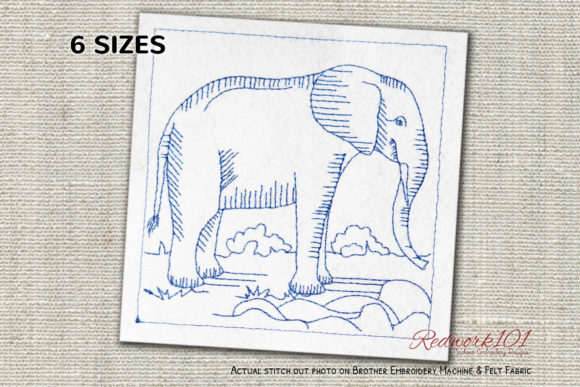
The African Forest Elephant machine embroidery design offers a striking and elegant representation of one of Africa’s most iconic creatures. With its linear style, this design captures the essence of the gentle giant in a way that feels both modern and timeless. It’s a versatile piece that can elevate a wide range of craft fair products and handmade items.
First Impression and Visual Appeal
As an experienced embroidery designer, the first thing I notice about the African Forest Elephant is its clean, minimalist aesthetic. It doesn’t overwhelm with detail but instead relies on strong lines and negative space to create a sense of balance and sophistication. This makes it ideal for a variety of product types, from rustic farmhouse-style tote bags to sleek, modern pillow covers.
The design feels premium and well-suited for handmade shops looking to offer high-quality, visually appealing items. Its simplicity also means it can work well as a small accent or a bold focal point, depending on how it’s applied.
Best Applications for Craft Fair Products
At a craft fair, the African Forest Elephant embroidery design stands out on products that allow for clear visibility and texture. Tote bags, aprons, and tea towels are excellent choices because they provide ample space for the design while allowing customers to appreciate the details up close.
Embroidered patches are another strong option. They’re easy to display, can be used on a variety of garments, and make great conversation starters at a booth. Similarly, fabric pouches and market bags benefit from the design’s ability to draw attention without being too busy.
For handmade gifts, the African Forest Elephant works well on pillow covers and small pouches. These items can be displayed in a curated way, helping to tell a story about the brand and the craftsmanship involved.
Practical Selling and Production Considerations
One of the key factors in determining whether a design will sell at a craft fair is how easily it can be produced in bulk. The African Forest Elephant design appears to be well-structured for batch production, especially if the stitch density is manageable. However, it’s important to test the design on different fabrics to ensure clarity and consistency.
When considering online listings, the design photographs well, particularly when using contrasting thread colors. For Etsy sellers and digital sellers, the multiple embroidery file formats included make it easy to adapt the design for different product types and sizes.
It’s also worth noting that the design may require careful placement on curved surfaces like caps. Ensuring the hoop size is appropriate and using the right stabilizer can prevent shifting or distortion during the embroidery process.
Careful-Use Notes for Embroidery Designers
While the African Forest Elephant design is generally straightforward, there are a few areas to be mindful of. Dense stitch areas could cause fabric puckering, especially on thinner materials. Tiny details might not show up clearly on dark fabrics or textured towels, so testing is essential.
Small lettering, if present, should be checked for legibility at various sizes. On thick fabrics, the design may need additional stabilizer support to maintain its shape and definition. Curved cap surfaces can also pose challenges, requiring precise hoop placement and possibly a custom hoop.
Impact on Customer Engagement and Branding
At a craft fair, visual appeal is everything. The African Forest Elephant design has the potential to capture customer attention quickly due to its clean lines and natural theme. It also adds value to handmade products by offering a unique and recognizable element that aligns with the Wild Animals category.
For boutique makers and creative entrepreneurs, this design can help build brand consistency, especially if it’s part of a larger collection of wildlife-themed items. It also supports the handmade quality of the products, reinforcing the idea that each item is crafted with care and intention.
Embroidery Designer Tips for Success
Before finalizing any craft fair product, I always recommend testing the design on scrap fabric to see how it looks in real life. Checking thread contrast is crucial—especially if the design will be used on dark or light backgrounds. Reviewing spacing and stitch density ensures the design remains sharp and professional.
Confirming the correct hoop size and using the right stabilizer can prevent common issues like puckering or misalignment. Creating at least one real mockup helps visualize how the design will look on the final product. Comparing fabric colors and checking commercial licensing before selling finished products are also essential steps.
Conclusion: A Versatile and Marketable Design
The African Forest Elephant machine embroidery design is a strong addition to any craft fair product lineup. Its elegant, linear style makes it adaptable across a range of handmade items, from tote bag designs to embroidered patches. It’s a design that can attract attention, convey quality, and support brand identity.
For embroidery business owners and Etsy sellers, this design offers a practical and visually appealing option that can enhance product value and customer engagement. With proper testing and attention to detail, it has the potential to become a standout item in any handmade shop or craft fair booth.