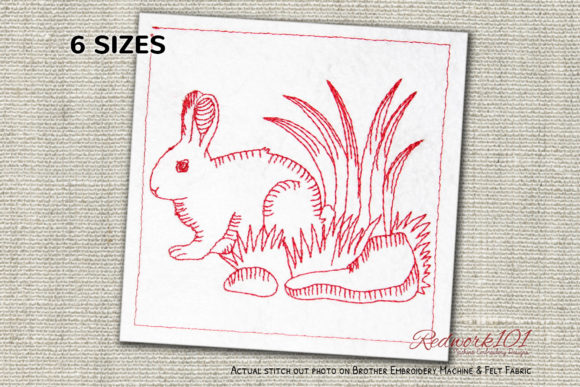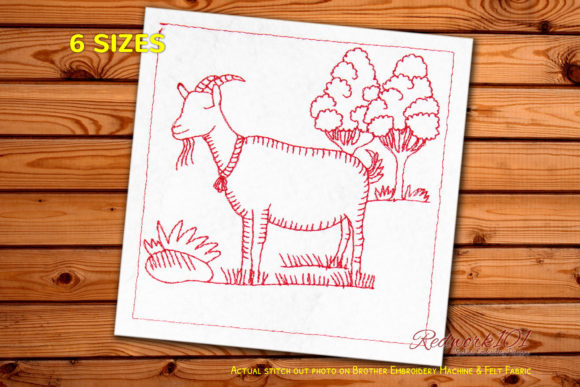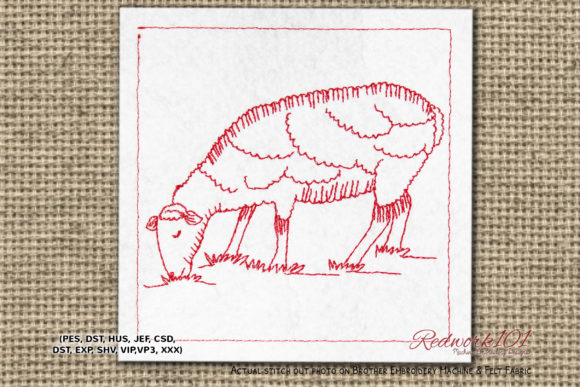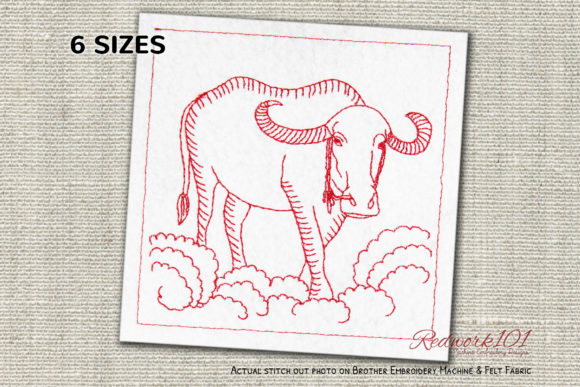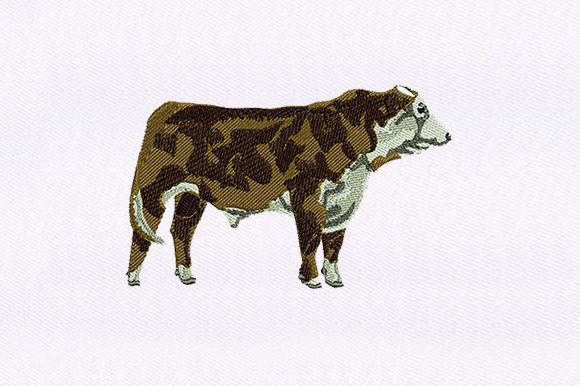
Gentle Cow Embroidery Design
As an embroidery designer with years of experience, I've tested countless machine embroidery designs for personalized gift products. One that stood out was the Gentle Cow design, a charming and versatile option for farm animal-themed embroidery. Whether you're creating baby items, wedding keepsakes, or custom totes, this design has potential—but it also comes with some important considerations.
The First Impression: A Sweet and Handmade Feel
From the moment I viewed the Gentle Cow design, its charm was clear. The artwork exudes a gentle, approachable mood that feels both classic and modern. It's not overly detailed, but the level of precision in the lines and shapes suggests a thoughtful approach to embroidery. This makes it ideal for handmade products that aim to evoke warmth and nostalgia.
The design has a soft, playful quality that would appeal to customers looking for something meaningful. It’s perfect for a baby blanket or a nursery decor item, where the emotional connection is key. The simplicity of the cow’s face and body allows for easy customization, making it a great choice for personalized gifts.
Where Gentle Cow Shines: Personalized Gift Applications
Gentle Cow is a strong candidate for a wide range of personalized gift products. For baby embroidery, it can be used on onesies, blankets, or stuffed animals, offering a subtle yet memorable touch. As a wedding gift, it could appear on a pillow cover, apron, or custom towel, adding a unique, rustic flair to any celebration.
For craft fair products and Etsy listings, this design offers versatility. It works well on tote bags, pillow covers, and even aprons, providing a cohesive look that appeals to buyers who value handmade quality. Its farm animal theme also makes it a good fit for small shop products that focus on nature-inspired or country-style items.
As a digital embroidery file, Gentle Cow can be used by Etsy sellers and other small business owners to create custom order previews. The design’s clean lines make it easy to adapt to different fabric types and sizes, which is essential for commercial embroidery projects.
Careful Considerations: When to Avoid or Adjust the Design
While Gentle Cow is a beautiful design, there are certain scenarios where it may not perform as well. On small lettering or delicate details, the design might lose clarity, especially if the stitch density is too high. This could be an issue when using it on embroidered towels or pillow covers with intricate text.
Textured fabrics or thick towels may cause the design to appear less defined. Similarly, stretchy baby clothes can distort the shape of the cow, so testing on sample fabric is crucial before committing to a customer order. Curved surfaces, like those on a mug or bottle, may also challenge the design’s placement and visibility.
On dark fabric, the contrast between the thread colors and the background becomes more important. If the embroidery thread doesn’t stand out enough, the design may not look as intended. Always test the design on both light and dark fabric mockups to ensure it meets your expectations.
Impact on Giftability and Customer Engagement
Gentle Cow adds significant value to personalized gifts. Its warm, handmade feel enhances the perceived value of the finished product, making it more appealing to customers looking for unique, meaningful items. This design can help build trust with buyers who appreciate attention to detail and craftsmanship.
For product photography, the design’s simplicity allows for clear, professional images that highlight the embroidery without overwhelming the viewer. This is especially useful for Etsy sellers and digital product creators who rely on visual appeal to attract buyers.
When used effectively, Gentle Cow can create a strong emotional connection between the customer and the gift. Whether it’s a baby blanket or a wedding keepsake, the design’s gentle aesthetic reinforces the sentiment behind the personalized item.
Practical Embroidery Notes for Success
To get the best results with Gentle Cow, start by testing it on scrap fabric. This will help you assess how the design looks on different materials and identify any potential issues early on. Pay close attention to thread color contrast—especially on dark fabrics—to ensure the design stands out.
Check the hoop size required for the design and confirm that your machine can accommodate it. Stitch density is another factor to consider; too high or too low can affect the overall appearance. Use the proper stabilizer for your chosen fabric to prevent puckering or distortion.
After stitching, inspect the small details to make sure everything is clear and well-defined. If you’re planning to sell the finished product, always review the commercial licensing terms associated with the embroidery file. Even though the design type includes multiple formats, it’s important to verify the specific rights before offering it as a digital product.