Smug Dog Design Review
A Professional Embroidery Designer’s Take on Real-World Brand Use
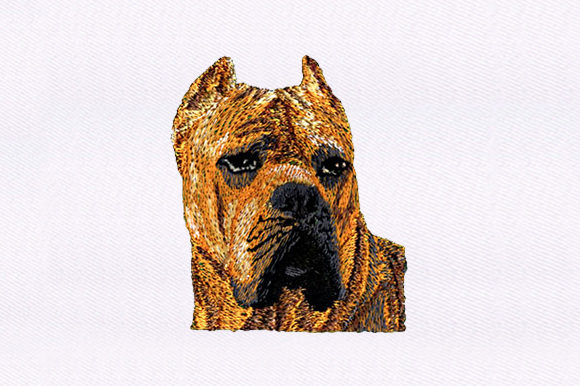
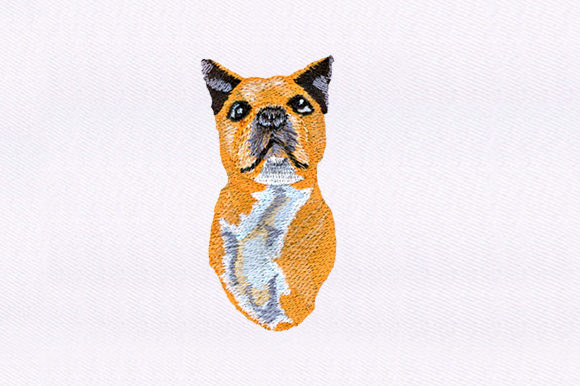
As an embroidery designer who’s developed hundreds of machine embroidery designs for small businesses—from neighborhood bakeries to indie pet brands—I approach every digital embroidery file with two questions: Does it communicate brand personality at a glance? and Will it hold up under real production conditions? When I first saw Smug Dog Design, the title alone hinted at personality—playful, confident, quietly charming. That’s rare in dog-themed embroidery files, which often default to cartoonish or overly literal. This isn’t just another paw-and-bone motif; it’s a design that carries tone, making it instantly viable for branded patch use, staff uniforms, and boutique merchandise.
First Impression: Friendly Confidence Meets Craftsmanship
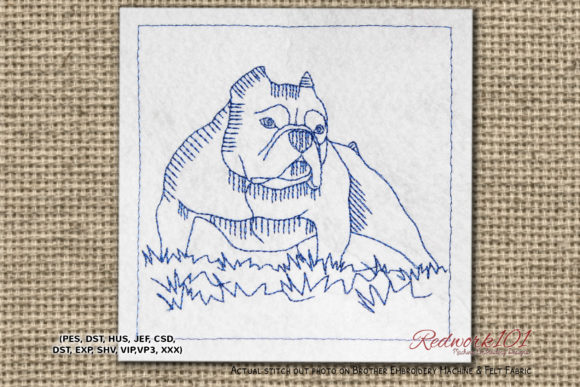
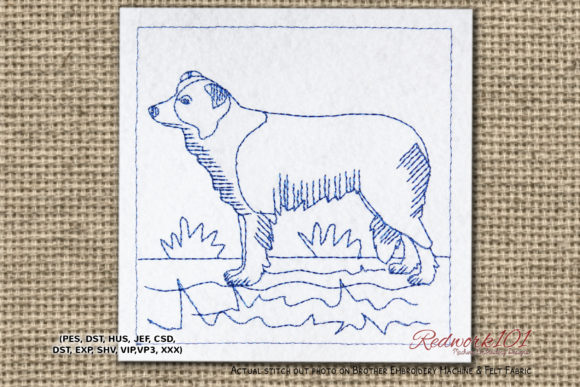
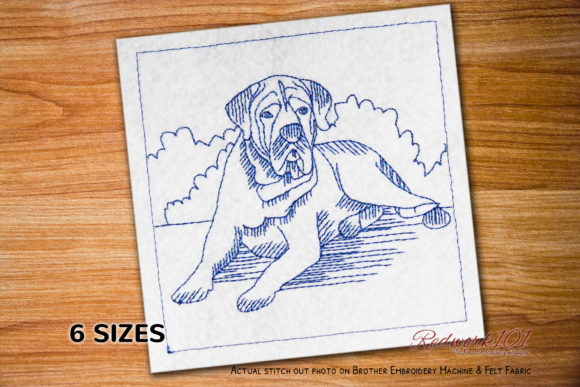
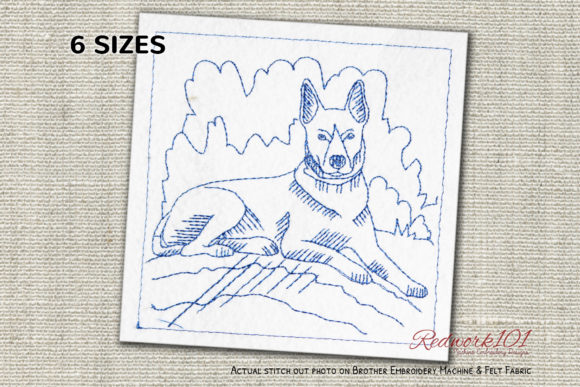
The name “Smug Dog Design” sets an expectation—and the design delivers. It reads as handmade product-adjacent: not sterile or corporate, but polished enough for commercial embroidery. There’s warmth in its posture, precision in its line work, and just enough stylization to feel intentional—not generic. For a florist adding embroidered patches to canvas aprons, or a pet boutique stitching tote bag designs, this strikes the right balance between approachable and premium. It avoids the pitfalls of being too cutesy (which can undermine credibility) or too minimal (which risks disappearing on textured fabric). As a machine embroidery design, it leans into expressive silhouette and clean negative space—ideal for translating across scales and substrates.
Where Smug Dog Design Excels in Small Business Merch
This design shines where clarity, consistency, and character matter most:
- Embroidered patches: Works beautifully at 2"–3" sizes—crisp outlines hold up well when heat-sealed or sewn onto denim jackets, shop aprons, or reusable tote bags.
- Cap embroidery: Fits comfortably on front panels without overcrowding. Its centered composition and moderate width prevent distortion on curved surfaces—especially when paired with proper underlay and stabilizer.
- Staff uniforms & custom apparel: Scales cleanly to chest logos on polos or pocket accents on linen shirts. Its visual weight supports brand identity without overwhelming the garment.
- Boutique merchandise & Etsy branding: Adds instant charm to handmade product packaging—think stitched labels on ceramic mugs, gift tags, or woven hangtags. Customers recognize authenticity fast when embroidery feels considered, not clipped.
- Printable mockups: Renders cleanly in vector-based previews, helping clients visualize final product before stitching begins—a critical step for client approval and reducing revision rounds.
Smart Placement Considerations for Long-Term Wear
Even strong embroidery files need thoughtful deployment. With Smug Dog Design, avoid pushing below 1.5" unless you’ve tested it thoroughly—fine details like subtle ear contours or expressive eyes may blur on tiny patches. On dark uniforms, confirm thread color contrast: matte black thread on navy twill reads differently than glossy white on charcoal canvas. Also, watch stitch density in tight curves—some versions may compress more on high-texture fabrics like heavy duck canvas or terry cloth. Always test on your actual fabric, not just stabilizer swatches. And remember: frequent washing demands tighter satin stitches and reinforced underlay—review the file’s satin column settings before bulk runs.
How Smug Dog Design Strengthens Brand Identity
For small business owners, every embroidered detail contributes to perceived value. A well-executed Smug Dog Design says: We care about craft. We’re memorable. We’re not outsourcing our voice. That builds customer trust faster than any tagline. When customers see the same confident little dog stitched on a café apron, a bakery tote, and a limited-edition enamel pin, visual consistency reinforces recognition—even without a visible logo. It becomes shorthand for quality and charm. For Etsy sellers or handmade brands, this kind of cohesive design asset bridges the gap between “cute” and “professional,” elevating perceived pricing power and buyer engagement.
Practical Embroidery Designer Notes Before You Stitch
Before committing to production, run these checks:
- Test in black and white first—this reveals balance, spacing, and legibility issues invisible in color previews.
- Check minimum viable size: Resize to 1.75" and stitch a sample. Does the expression survive? Are internal shapes still distinct?
- Review thread color pairings: Not all 15 included embroidery file formats embed color codes—verify thread order manually if needed.
- Inspect spacing and jump stitches: Tight corners or overlapping elements may cause nesting or thread breaks on older machines.
- Confirm hoop size compatibility: Some layouts assume a 4x4 hoop; verify yours matches—or adjust placement accordingly.
- Use appropriate stabilizer: Lightweight cutaway for knits, medium tear-away for cotton poplin, and fusible + tear-away combo for structured caps.
- Create a printable mockup for client sign-off—include fabric swatch, thread colors, and placement notes.
- Compare beside existing design assets: Does Smug Dog Design harmonize with your current logo, typography, and brand palette?
- Verify commercial licensing: Since this is a digital embroidery file intended for small business merch, ensure your purchase includes rights for resale, promotional use, and physical product application.
Final Thought: A Versatile Asset, Not Just a Decoration
Smug Dog Design stands out because it functions as both a signature element and a flexible tool. It’s not just a dog—it’s a tone-setter, a consistency anchor, and a conversation starter. Whether stitched on a barista’s apron, a local pet rescue’s tote bag design, or a handmade soap maker’s product label, it adds warmth without sacrificing polish. In a crowded market where small business merch needs to earn attention *and* trust, that duality is gold. Treat it like the strategic design asset it is—not just another embroidery file.